Interview: Unridden – Surfing and politics during COVID times in South Africa

Recently, Kim Feldmann of Surf Simply interviewed with me about some of the main points of my research on surfing ans politics in South Africa during the early months of the COVID pandemic.

This is from the introduction of the interview, titled “Unridden”:

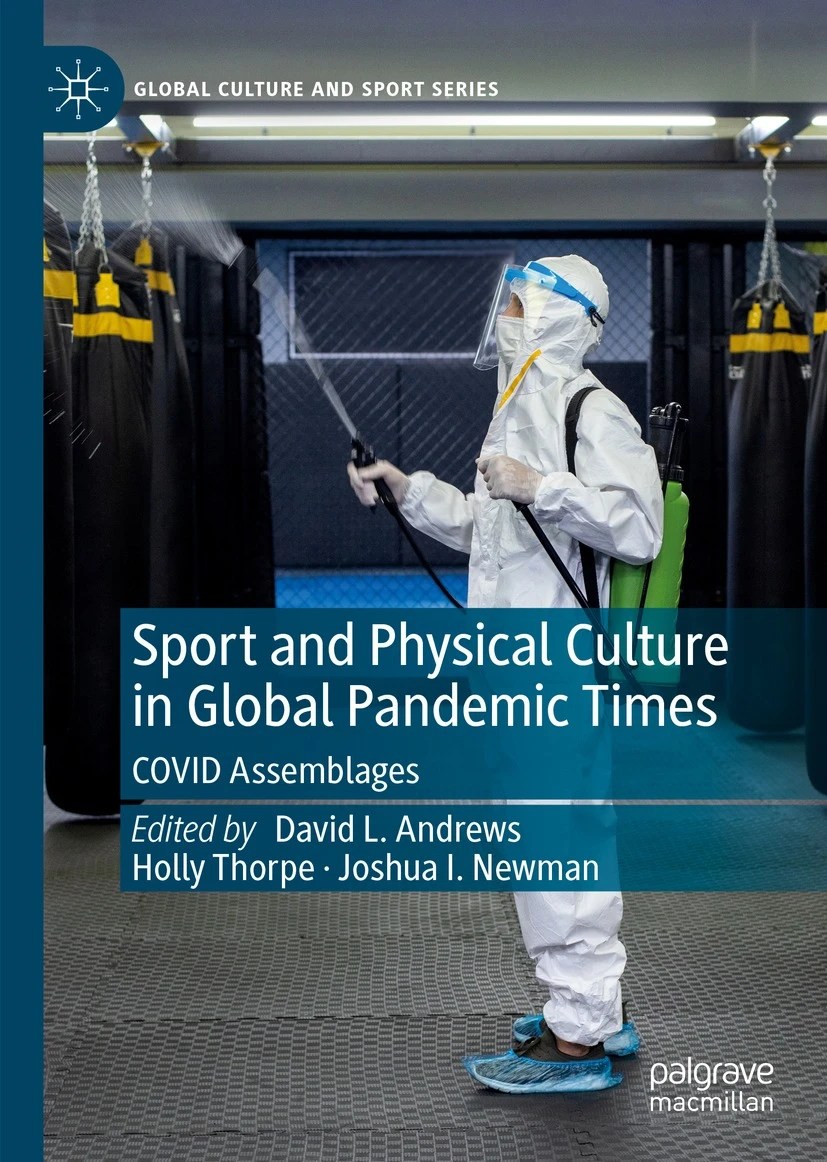
‘”In the midst of the COVID-19 pandemic and the hard lockdown in South Africa in the first half of 2020, I took an interest in how surfing communities along the coast from Cape Town to Durban were responding to the “new normal” of the beach ban,” says Dr Glen Thompson, a Research Fellow in the History Department at Stellenbosch University, South Africa, author of a chapter entitled Dreaming of “Level Free”: Lockdown and the Cultural Politics of Surfing during the COVID-19 Pandemic in South Africa in the book Sport and Physical Culture in Global Pandemic Times: COVID Assemblages, edited by David Andrews, Holly Thorpe, Joshua Newman. In it, Thompson delves into the influence of surfing’s non-conformist values and notions of freedom on the collective mindset of South African surfers amidst the pandemic, and how the May 5 beach protest against ocean-based activities shaped perceptions of surfer entitlement entwined with the history of whiteness and middle-class privilege in South African surfing.’

Read the full Surf Simply interview here.
Surfing, the beach and lockdown during the COVID-19 pandemic in South Africa

I recently had a chapter published on surfing during COVID times in South Africa. The chapter is titled: ‘Dreaming of “Level Free”: Lockdown and the Cultural Politics of Surfing during the COVID-19 Pandemic in South Africa‘ and is part of the volume Sport and Physical Culture in Global Pandemic Times: COVID Assemblages (Palgrave Macmillan, 2023) edited by David Andrews, Holly Thorpe and Joshua Newman. This collection draws on scholarly research from across the globe and “highlights the global and local inadequacies of the sporting/physical cultural order exposed by COVID-19.”

The abstract for my chapter (set out below) draws attention to my interest in tracing the cultural, social and political factors that shaped surfer attitudes to beach bans during the lockdown in the early months of the COVID-19 pandemic in South Africa:

The South African government implemented a hard lockdown in response to the COVID-19 pandemic. One lockdown measure was a national beach ban which received national attention due to anti-lockdown protests at three beaches on May 5, 2020. In contextualising these beach protests within the period of March to August 2020, this chapter critically examines how surfing’s historical non-conformist values and ideas of freedom shaped surfer social attitudes in COVID times. Protesting surfers’ desire to return to the waves is read as the making of a politics of refusal. This refusal to acquiesce to the state’s regulations was the most visible response of surfers to the lockdown and shaped national tropes about surfer entitlement entangled with South African surfing’s history of whiteness and middle-class privilege. Refusalist responses, however, were contested within the South African surfing community as alternative configurations of the relationship between surfing and the lockdown were also expressed.

While my chapter is limited to the early to mid-2020 period, my original thoughts were to consider and compare those periods when a beach ban was in place due to lockdown rules for the 2020 and 2021 periods. I still hope to undertake that research, using this chapter here as a starting point. Another theme I was keen to explore further is the poetics of surfer responses to the beach bans as seen in artistic, cartoon and literary representations of the experience of surfing during lockdown.